by B.J. Porter (Contributing Editor)
As we approach Labor Day in the U.S. and summer winds to a close, it’s time for an important question: How was your boating summer?
Did you get out on the boat a lot? As much as you wanted to? Did you take all those trips you planned to take? Did you enjoy them?
And the most important question: did you get all the happiness, fun, and joy out of your boating experience as you had hoped for?
After all, unless you make your living on the water, what we’re really looking for is recreation. So if the answer to any of these questions is “no,” then we need to look at why.
Did you get out as much as you planned?
At the start of the season, we all think about the upcoming months. We plan trips; we make expectations, and we reasonably hope they come to pass. If it all works out, then we’ll have a good season, right?
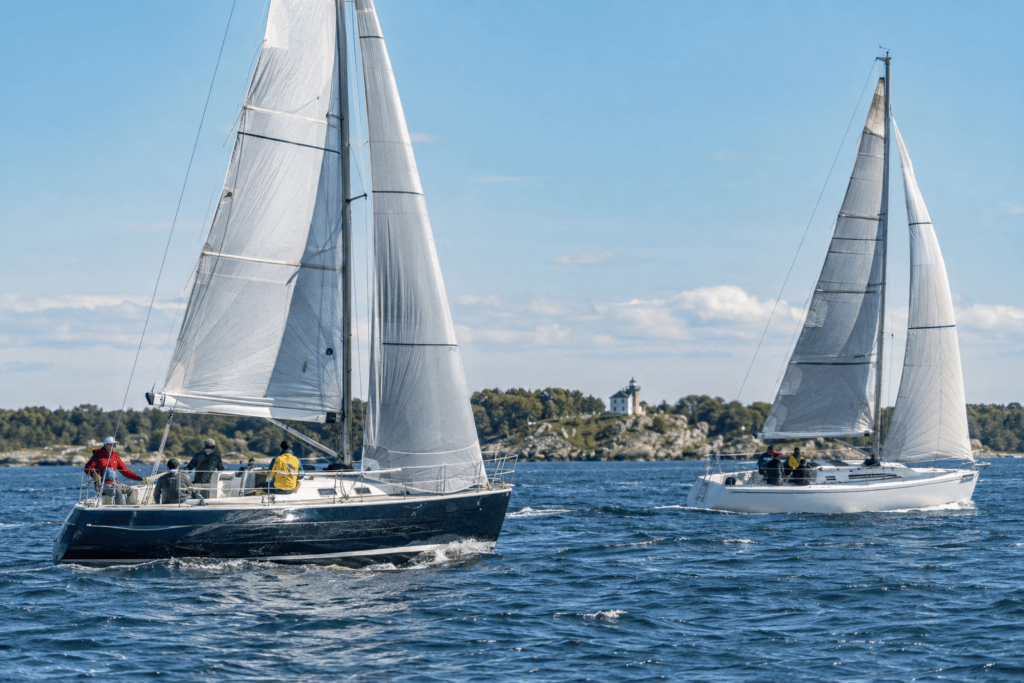
But if you look around any marina, you see many, many boats that don’t get used that much. Certainly, their owners didn’t plan that when they purchased them. And if you didn’t get out on the boat the way you wanted to, it’s important to understand why. Because while boats are a choice for recreation, they’re also an expensive choice. So we want to get our money’s worth.
There are a few reasons boats don’t get used, and you need to rate those reasons carefully for yourself and your needs when evaluating whether your current boat is really right for you.
Some of the top reasons boats don’t get used include:
- Bad weather. It’s not fun when it’s dangerous or wet, cold, and miserable. Especially a boat that isn’t properly equipped for anything but sunny, warm days.
- Time prioritization. Whether it’s conflicts with kids’ summer activities or people planning inconvenient weddings and family functions during boating season, something takes precedence over getting on the water.
- Boat availability. If your boat needs repairs for you to use it with safety and comfort, that affects your usage. An engine that won’t start is a different problem than a refrigerator that won’t stay cool. Both can keep you off the water, but one might not if you’re determined to get out there.
- Boat readiness. Getting ready to actually cast off the lines and go is a lot of work. If you don’t have the time to do it, or if it is just too overwhelming, that can be a problem. If you don’t have a plan for the boat and wait until the last minute to throw everything together, it can take the fun out of it and turn you off using it.
- Lack of motivation. This may speak to a deeper problem if you’re not motivated to get the things done you need to in order to get out on the water. It could be because what you’re doing isn’t as fun as it used to be or how you hoped, or for many other reasons. Some relate to the boat, some relate to life.
Did you have a good time when you did?
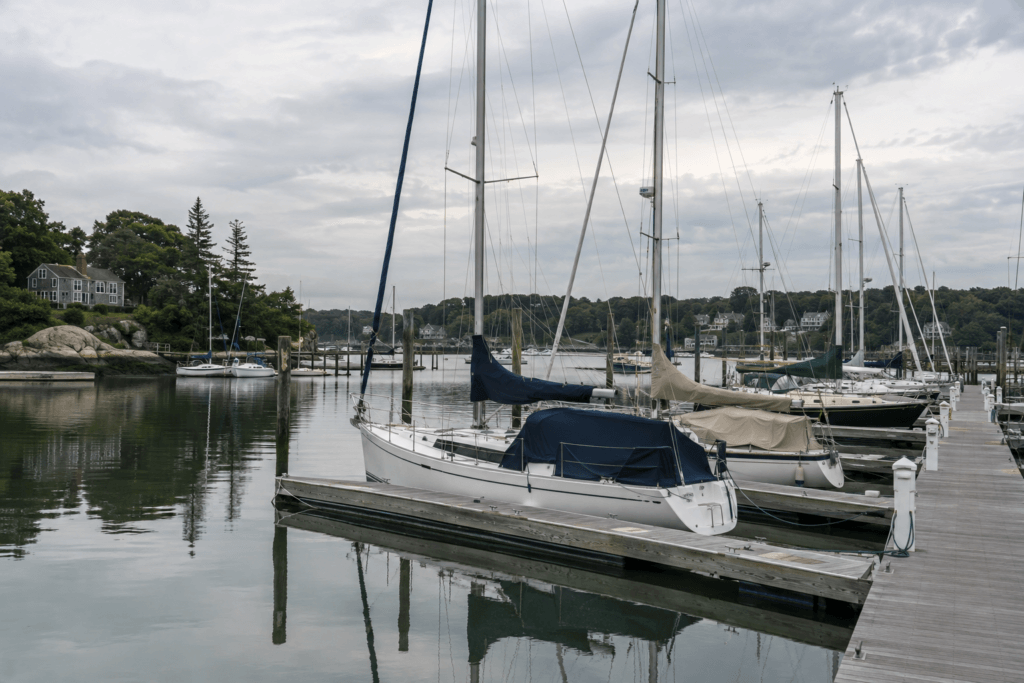
This is an important question because it speaks to how you use your boat. Maybe you bought your boat expecting to be tearing up the racecourse, but you struggled to find enough crew for those Wednesday races and missed too many weekend events. Or maybe you hoped to spend weekends on an island somewhere, but your kids don’t want to come along. These could all be signs that your original intentions for your boat don’t meet reality.
This isn’t necessarily a question of the boat being wrong, but it’s likely the vision of boating you had doesn’t meet the reality of the boat you own. Or once you learned more about boating, your priorities changed.
When we bought our second boat (a C&C 37), our intent was to extend our cruising range around southern New England and get out further afield than we did with our first boat. Then someone convinced me to try racing.
The C&C 37 is a pretty fun boat for racing, but suddenly I wanted more. And I wanted faster, and I wanted to be truly competitive. As lovely as the C&C was for coastal cruising and low-key racing, she only stayed with us two summers before I moved to a better choice for both cruising and racing.
So it wasn’t a bad boat, it just wasn’t the right boat for me after I made some rapid growth as a sailor.
If you aren’t having fun with the boat you own, or you think you could have a lot more fun than you are, you need to explore this question. Get back to your roots; try to remember why you chose this boat. And when you do, compare it with how you’re using it today.
Is the boat the problem?
If you’re frustrated with boating and are losing interest in it, is it the boat’s fault? The answer, of course, is maybe…because the decisions and judgements are all completely subjective and different for every boat owner.
For example, if your kids are older now and wrapped up with summer sports leagues and spending time with friends, you might find a lot less time for boating. They may be reluctant to come on the boat because things they know and like at home, like frequent, hot showers (more important to teens than little kids) aren’t as available or as comfortable.
This may frustrate you, but it may have nothing to do with the boat so much as changes with your family. Can a new boat fix it and get you back on the water more? Possibly, if you had more space to bring some of those friends along with you and a bit more home-like comfort. But it won’t fix the summer league baseball and soccer schedules.
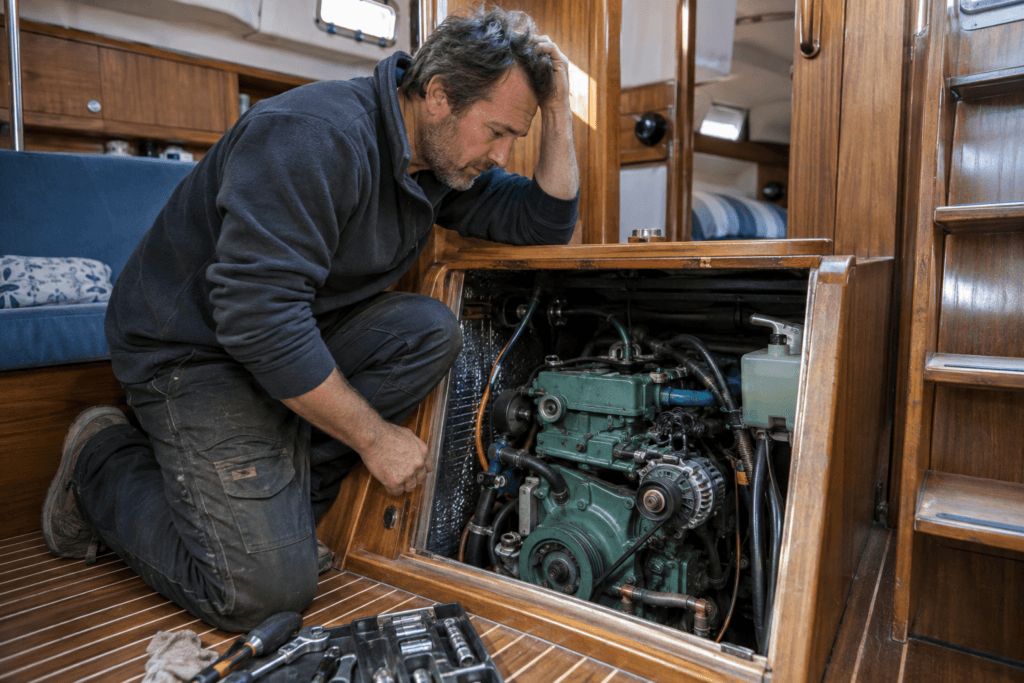
If you’re struggling with keeping your boat operational enough to use when you want it, that could be a boat problem. But that boat problem may not be a bad boat so much as a boat that is overcomplicated and beyond your current skill level to maintain. Or you may not have time to keep it up, and something simpler may be better for you.
There are definitely “bad boats,” which might have poor designs with strange features, or incorrectly installed systems that present many problems you inherited from the previous owner or builder. But many boats are just bad fits instead.
My first boat was a 1966 Tartan 27 that needed a lot of work and maintenance to bring to solid operating condition for family boating. I got a great deal on a well-made boat, but it overwhelmed me completely because of all the work it needed. With what I know today, thirty years later, the problems that vexed me with that boat seem pretty trivial. But as a clueless novice who couldn’t figure out the basic running rigging the first time I sailed it, it wasn’t a bad boat. It was a bad boat for me, which is a distinct problem from a boat which is inherently problematic.
Is a new boat the solution?

This is another question only you can answer, because only you know why you’re left feeling unsatisfied or wanting something more or different at the end of the boating season.
If you’re not getting on the water because of life priority issues, it might not be the boat. It’s tough to get out of obligations as our kids have more demands and those around us who don’t boat plan things when we’d rather be on the water. A new boat won’t change any of that.
Not using your boat because it’s just too much work may not be the boat either. It may be a time crunch in your own life, and you may solve it with a few changes in how you plan trips and get the boat ready. You’d be surprised how much faster you get off the dock when you shop and pack well in advance, and leave a few key items of clothing and supplies on the boat before you show up with the whole family.
But if you’re struggling with motivation, or to keep your boat running, those may tie back to the boat.
If you’re not enjoying the boating as you look wistfully at other people fishing, sailing, racing, water skiing, or whatever it is you can’t do with your boat, that may be an answer. A boat that better suits your needs and wants may be the ticket. And if you’re spending all your time troubleshooting problems or swearing while you drop tools in the bilge or drive back and forth to the chandleries, you and your boat may not be the best match.
Think, evaluate, make lists, and talk
The final piece to consider is that it’s best not to jump too quickly to blame the boat and get something bigger. Bigger isn’t always better, nor is it always the solution. Sometimes different is what makes the positive change.
What your entire family wants (if you have one) is important, and to know how you see yourself on the water. Maybe you can get you want out of the boat you already have with a better understanding of how you want to use it. There is always a cost to changing boats – from the dip in value when you sell it to the fees and taxes you may have to pay to register a new boat. So, think it through with care and take the time list the pros and cons of your current boat and see how they line up with your wants and needs.
Or…it just may be time to hit the boat shows for inspiration and ideas!
Plan your next passage with the professional boater’s navigation app.
Get iNavX →